Category: guides

  • Apple Pay at Walmart in 2026: The Full Rollout Schedule

    Apple Pay at Walmart in 2026: The Full Rollout Schedule

    Contents

    Walmart is done holding out. Apple Pay starts hitting registers on August 24, 2026 — Arkansas first, then the rest of the country in waves through the end of the year. Gas pumps don’t get tap-to-pay until mid-2027, and Google Pay and Samsung Pay ride the same schedule as Apple Pay, not a separate one.

    That detail gets buried. Three of the four articles covering this story put Apple Pay alone in the headline; only TechCrunch’s story pairs it with Google Pay. Below: the state-by-state dates, what’s actually supported, and where the coverage runs thin.
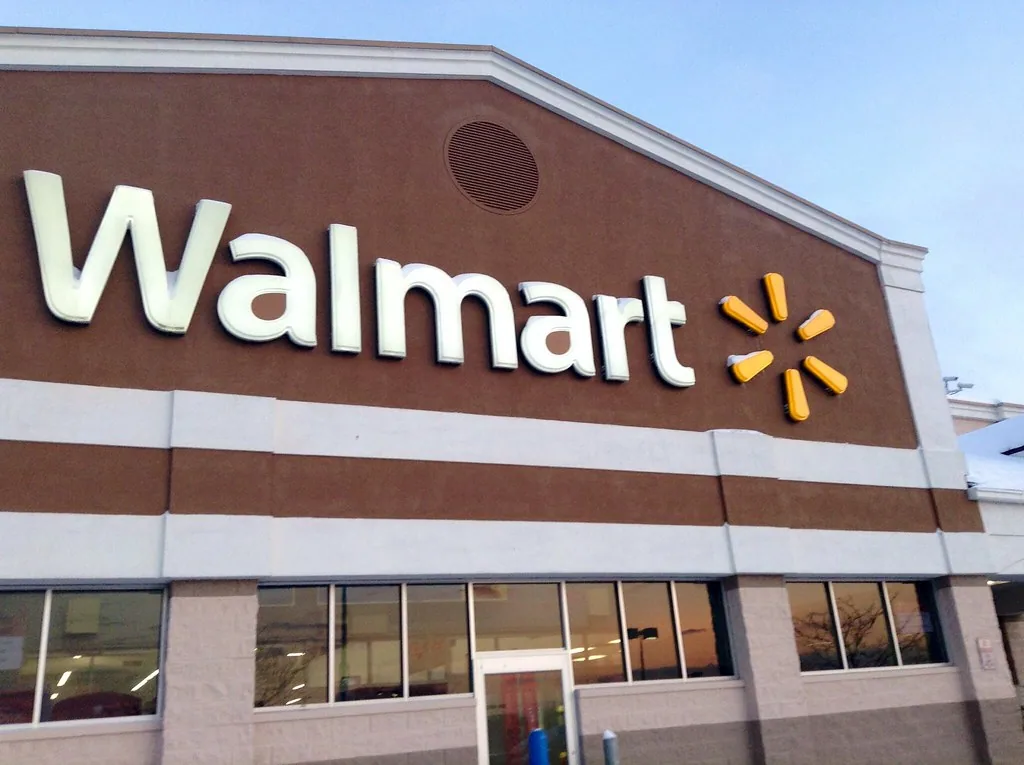
    walmart storefront exterior sign
    walmart storefront exterior sign

    When does Apple Pay actually start at Walmart?

    Short answer: August 24, 2026, for the first batch of stores. Full nationwide coverage — every Walmart and every Sam’s Club in the US — is targeted for the end of 2026, with gas stations trailing to mid-2027.

    TechCrunch, 9to5mac, and MacRumors filed on the same day, August 21, 2026 [1][3][4]. TechCrunch’s version carries a byline from Sarah Perez [3].

    One state is missing entirely: Missouri doesn’t appear anywhere in the 11-wave memo 9to5mac obtained. No date, no explanation, no footnote — just a gap [2].

    The state-by-state schedule

    Other coverage skips this part, or flattens it into a single “by end of 2026” line. The actual rollout, per an internal timetable obtained by 9to5mac, runs in 11 waves over seven weeks [2]:

    • Arkansas — August 24–31, 2026 (Walmart’s home state, goes first)
    • California, Washington, Oregon, Nevada, Idaho, Alaska, Hawaii — September 10, 2026
    • Kansas, Louisiana, Nebraska, Oklahoma — September 14, 2026
    • Texas — September 17, 2026
    • Arizona, Utah, Colorado, New Mexico, and one more state in that group — September 21, 2026
    • Illinois, Ohio, Wisconsin, Minnesota, Iowa — September 24, 2026
    • Tennessee, Indiana, Michigan, Kentucky — September 28, 2026
    • Georgia, Alabama, Mississippi — October 1, 2026
    • Florida — October 5, 2026
    • North Carolina, Virginia, and three more states in that group — October 8, 2026
    • Pennsylvania, New York, New Jersey, and nine more states in that group — October 12, 2026

    Two caveats. First, 9to5mac’s memo names three of the eleven waves only by count, not by name — one unnamed state in the September 21 group, three in the October 8 group, nine in the October 12 group. We’re reporting the confirmed names and flagging the rest as unconfirmed rather than guessing [2].

    Second, this is an internal rollout document, not a Walmart press release. Treat October 12 as a target, not a guarantee.

    Add up every named state across waves two through eleven, plus every unnamed slot the memo counts, and that’s 47 states — 34 identified by name, 13 more counted but not listed [2].
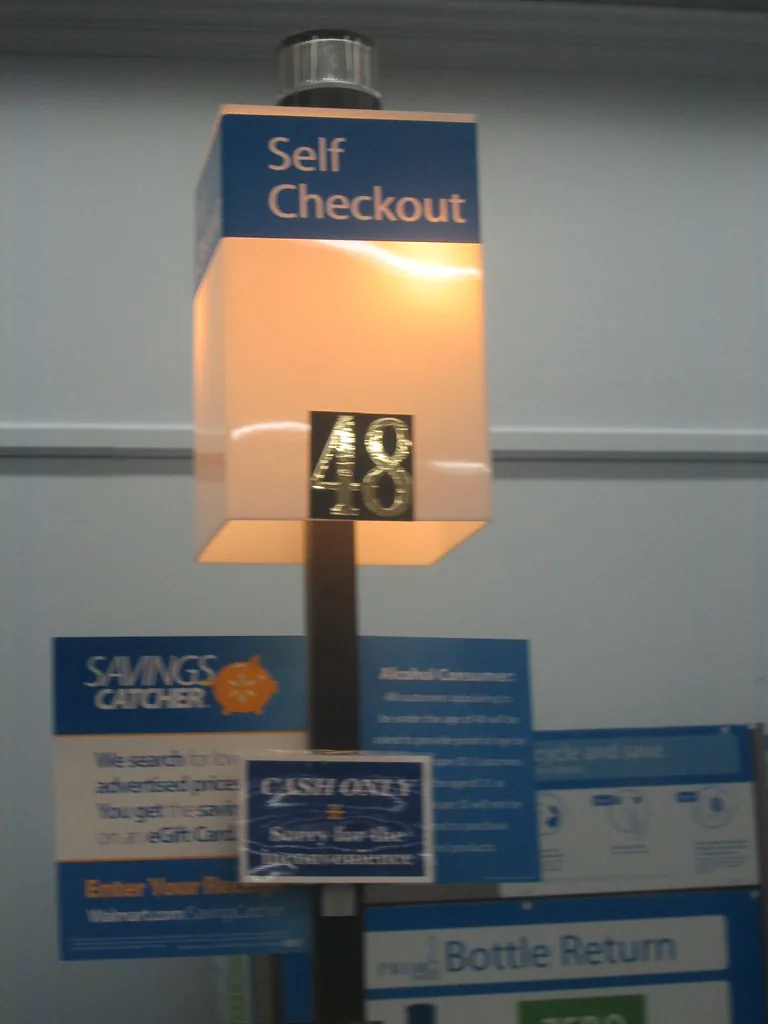
    walmart self checkout tap to pay terminal
    walmart self checkout tap to pay terminal

    For skimmers, the condensed version:

    MilestoneDateScope
    Rollout beginsAugust 24, 2026Select Walmart and Sam’s Club stores, led by Arkansas
    Bulk of states go liveSeptember 10 – October 12, 202647 states across waves 2–11
    Full US coverageEnd of 2026Every Walmart and Sam’s Club store nationwide
    Fuel stationsMid-2027Gas pumps at Walmart and Sam’s Club locations

    If your state isn’t in the list above, or if you’re in Missouri, the honest answer is: nobody outside Walmart has published your exact date yet.

    What’s supported at checkout — and what isn’t changing

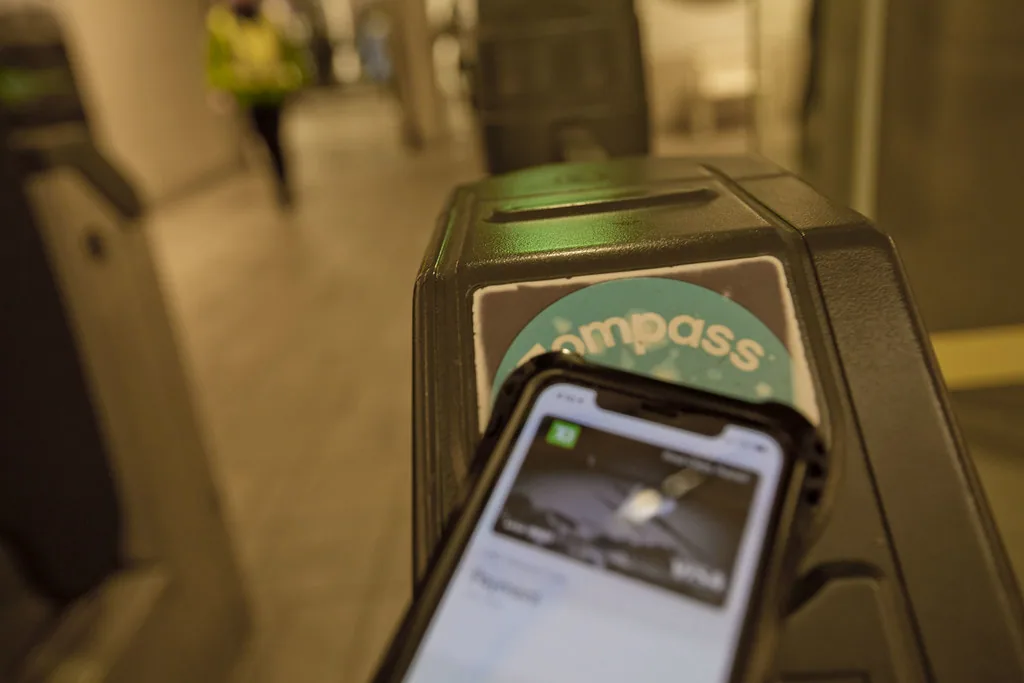
    Four tap-to-pay methods go live under this rollout: Apple Pay (iPhone and Apple Watch), Google Pay, Samsung Pay, and physical contactless credit or debit cards [3][4]. That’s the full list. There’s no fifth option hiding in the fine print.
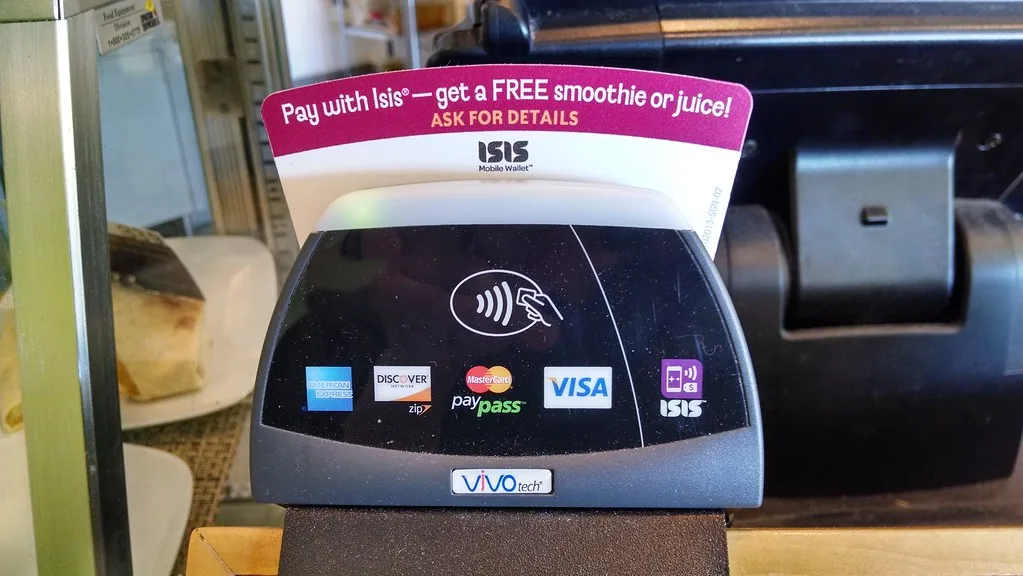
    apple pay iphone tap to pay reader closeup
    apple pay iphone tap to pay reader closeup

    What doesn’t change: Walmart Pay, the existing QR-code scan-to-pay system built into the Walmart app, stays exactly as it is. Tap-to-pay is additive, not a replacement, and you can also add Walmart, Sam’s Club, and OnePay cards to your digital wallet under the new system [1][3][4].

    sams club store entrance sign
    sams club store entrance sign

    None of the four source articles mention a cost to shoppers, a new subscription, or a card-network fee change tied to this rollout.

    Google Pay’s timeline: the question other write-ups skip

    Apple Pay dominates the headlines, and that’s understandable — Walmart’s 10-year holdout on Apple Pay specifically is the bigger story. But it leaves a gap: readers wondering whether Google Pay lags behind, the way it sometimes does at other retailers.

    It doesn’t, based on what’s published. TechCrunch’s own headline pairs the two services together — “Walmart to finally start accepting Apple Pay and Google Pay” — and describes them rolling out on the same August 24, 2026 start date, with the same end-of-2026 nationwide target [3]. MacRumors groups Apple Pay, Google Pay, and Samsung Pay into one timeline as well, with no separate date for any of the three [4].

    google pay android nfc payment terminal
    google pay android nfc payment terminal

    So: no confirmed lag between Apple Pay and Google Pay at Walmart. The pairing in the coverage is itself the evidence — if Google Pay were delayed, a byline reporter would likely flag it, and none did. Treat this as inferred from omission, not a direct Walmart statement — no source publishes a Google-Pay-specific date table the way the Apple Pay schedule leaked.

    Why Walmart held out for over a decade

    Walmart has been the largest holdout against Apple Pay among major US retailers, according to both TechCrunch and 9to5mac [1][3]. The company built and pushed its own mobile payment stack instead — Walmart Pay and the Scan & Go app — and kept tap-to-pay off its terminals while doing it [3][4].

    In 2016, Walmart and other large retailers backed a competing mobile payment system called CurrentC, built specifically as an alternative to Apple Pay. It shut down [3]. That’s an industry-observed fact from TechCrunch’s reporting, not a Walmart admission — the company hasn’t publicly tied this week’s announcement to CurrentC’s failure.

    Three numbers put the holdout in context:

    • 10+ years: how long Walmart avoided Apple Pay in US stores [1][3]
    • 2020: the year Walmart’s Canadian stores started accepting Apple Pay — the US was the outlier, not the norm [4]
    • 85%: the share of US retail locations where Apple Pay already works, per TechCrunch [3]

    Walmart wasn’t the only holdout, but it was an increasingly lonely one. Four competitors already accept Apple Pay:

    • Kroger
    • Home Depot
    • H-E-B
    • Lowe’s

    All four appear across the source articles as retailers that adopted Apple Pay well before Walmart did [1][3][4].
    walmart pay app qr code scanner screen
    walmart pay app qr code scanner screen

    Walmart’s own framing, per the coverage, is about giving customers more ways to pay — letting people check out however they prefer [1][3][4]. That’s a paraphrase across three outlets, not a verified quote. None of the four source articles publish the exact wording of an official statement or name who said it — treat “customer choice” as company messaging, not a direct quote.

    The catch: gas stations, Missouri, and the fine print

    Other coverage glosses over three things.

    Gas stations are a separate, slower track. Even after a store’s main registers go live, the fuel pumps outside don’t necessarily follow — that rollout runs to mid-2027, 12 months after the store-wide target [1][3][4]. Don’t assume tap-to-pay works at the pump just because it works inside.

    Missouri has no listed date — the biggest single gap in the reporting. Every other state appears somewhere in the 11-wave schedule 9to5mac obtained; Missouri doesn’t, and there’s no official explanation. It may simply fall under the general “by end of 2026” promise, but that’s an assumption, not a confirmed date [2].
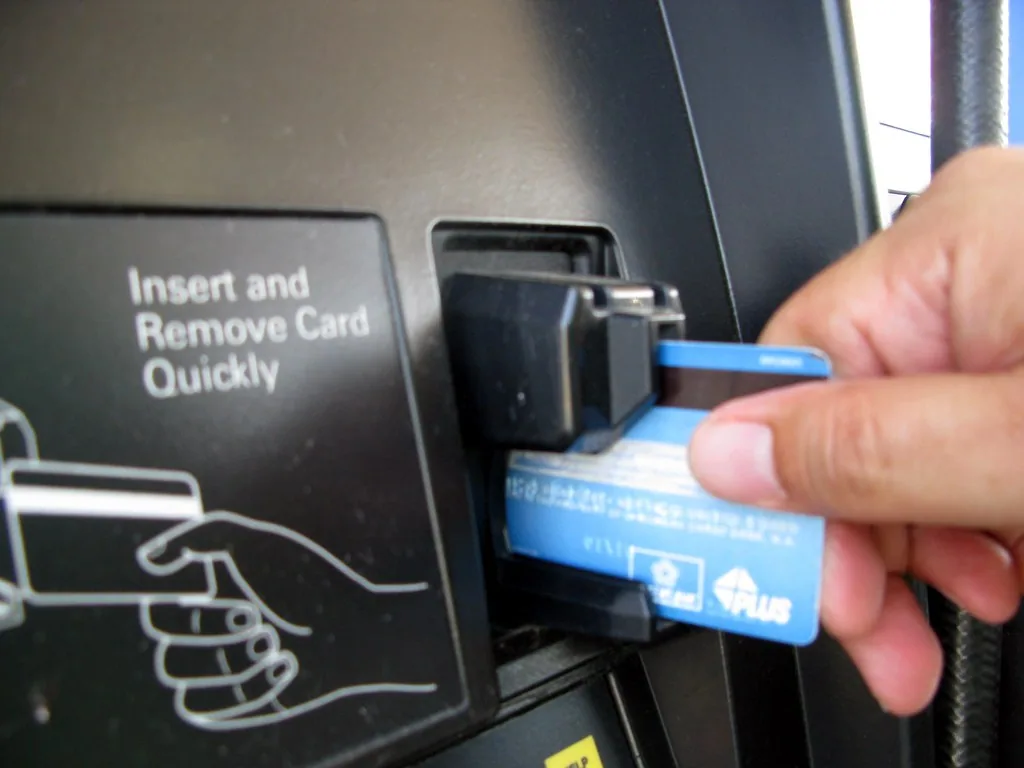
    gas station fuel pump payment terminal
    gas station fuel pump payment terminal

    The source document is a leaked internal memo, not a press release. A fourth outlet, Axios, also covered this story the same day, but its article returned a 403 error on direct access and could only be cross-checked through search snippets — a partial confirmation at best. The core dates trace back to 9to5mac’s internal rollout sheet, not a Walmart announcement.

    FAQ

    Does Walmart accept Apple Pay right now?

    Not everywhere, and not before August 24, 2026. Starting that date, select stores begin accepting it, led by Arkansas. Full nationwide coverage is targeted for the end of 2026, not the launch date [1][3][4].

    Is Google Pay coming to Walmart at the same time as Apple Pay?

    Yes, based on the available reporting. TechCrunch and MacRumors both describe Google Pay (and Samsung Pay) rolling out alongside Apple Pay on the same schedule, with no separate date published for either [3][4]. No source has flagged a delay specific to Google Pay.

    Will Walmart Pay still work after this rollout?

    Yes. Walmart Pay, the app’s QR-code scan system, isn’t going away. Tap-to-pay is being added as an additional checkout option, not a replacement [1][3][4].

    What’s still unknown

    • Missouri’s exact date.
    • The full membership of the “one more state,” “three more states,” and “nine more states” groups in 9to5mac’s schedule.
    • The exact wording and speaker of Walmart’s official statement — only paraphrases have been published.
    • Whether the October 12, 2026 target for the final twelve-state wave holds, given that the whole schedule traces back to an internal memo, not a public announcement.

    Sources

    1. Walmart finally launching Apple Pay support next week — 9to5mac, published August 21, 2026 — https://9to5mac.com/2026/08/21/walmart-finally-launching-apple-pay-support-next-week/
    2. When is Apple Pay coming to your Walmart? Here’s the full schedule — 9to5mac, published August 21, 2026 — https://9to5mac.com/2026/08/21/when-is-apple-pay-coming-to-your-walmart-heres-the-full-schedule/
    3. Walmart to finally start accepting Apple Pay and Google Pay, by Sarah Perez — TechCrunch, published August 21, 2026 — https://techcrunch.com/2026/08/21/walmart-to-finally-start-accepting-apple-pay-and-google-pay/
    4. Walmart to Begin Accepting Apple Pay in U.S. Stores — MacRumors, published August 21, 2026 — https://www.macrumors.com/2026/08/21/walmart-to-begin-accepting-apple-pay-in-us/

    Image credits

    1. Walmart Store Exterior by JeepersMedia, licensed under BY (via Openverse)
    2. Self-Checkout Lane #48 by Random Retail, licensed under BY (via Openverse)
    3. Pay with Isis®–get a FREE smoothie or juice! by Aranami, licensed under BY (via Openverse)
    4. Coraki. The Commercial Bank of Sydney and manager’s residence. Built in brick in 1902 replacing a wooden bank from 1881. Closed as a bank in 1940. by denisbin, licensed under BY-ND (via Openverse)
    5. ADP1 on ghetto, pre-pay SIM card ( lol ) by Todd Barnard, licensed under BY-SA (via Openverse)
    6. Compass Card Tap-in by Apple Pay by GoToVan, licensed under BY (via Openverse)
    7. I think my fingers are in the wrong place by frankieleon, licensed under BY (via Openverse)
  • Instagram AI Data Opt-Out 2026: What Actually Works

    Instagram AI Data Opt-Out 2026: What Actually Works

    Contents

    Meta will review an objection to using your Instagram data for AI training. Reviewing isn’t approving — and even an approved objection only stops future use; nothing already folded into a training run comes back out. What follows is the fine print other write-ups on this topic tend to skip: which menu holds which switch, and which country’s opt-out actually has teeth.

    The Short Answer

    Meta has used public posts from adult users to train its AI since 2007. That part isn’t new.

    What changed in June 2026 is the paperwork: a setting called “Activity from other businesses” now governs how your data feeds AI-driven ad targeting, while a separate Privacy Center form lets you formally object to the training itself. They’re 2 different switches, and flipping one doesn’t touch the other.

    The toggle people actually care about sits somewhere else: under “Sharing and reuse,” it controls whether someone can generate an AI image of your face using your handle — without notifying you. It’s not easy to find.

    Since December 16, 2025, Meta has also used your conversations with Meta AI as a signal for ad personalization. That’s a separate stream from the training question, and it’s easy to miss.

    What Meta’s AI Actually Trains On

    Before touching any setting, it’s worth knowing what’s actually being fed into the model. Meta’s own disclosures put 3 categories in scope:

    • Posts you’ve shared publicly
    • Photos, including their captions
    • Comments you’ve left

    Direct messages are excluded, unless you’ve shared them yourself with Meta AI inside a chat. So the exposure here is mostly about what you’ve posted publicly, not what you’ve said in private.

    One thing you can’t control: photos other people post of you. If a friend tags you in a picture, that image sits under their privacy settings, not yours.

    Data already folded into an existing training run can’t be pulled back out afterward. Opting out stops future use — it doesn’t undo past use.

    instagram privacy center generative ai section screenshot
    instagram privacy center generative ai section screenshot

    Turning Off AI Ad Targeting, Step by Step

    This setting is the easiest of the bunch to find. On iPhone:

    1. Open the Instagram app
    2. Tap your profile, then the 3-line menu in the top right
    3. Go to Accounts Center
    4. Select “Activity from other businesses”

    Simple enough. Except it isn’t always in that spot.

    On other accounts, the same control shows up under a different label instead: Ad preferences → Ad settings → Activity information from ad partners. Same function, different path. None of the 5 sources checked for this piece flag that split — so if you go looking for a menu item that doesn’t exist on your account, you might assume the feature was removed. It wasn’t. It’s just filed elsewhere.

    If you’re in the EU, there’s an extra lever: Ad preferences → Ad settings → Ad experience, where you can select “less-personalized ads” — a regional option not confirmed to exist for US or Asia-Pacific accounts.

    One more thing that comes up in comment sections: Meta states, officially, that it does not use your phone’s microphone to listen to conversations for ad targeting. Treat that as an official claim, not a verified one — no source here tested it.

    instagram accounts center activity from other businesses toggle
    instagram accounts center activity from other businesses toggle

    Phone-Level Permissions Worth Checking

    Instagram’s in-app settings are one layer. Your phone’s own permission system is another, and it’s worth a separate pass.

    On iPhone:

    • Settings → Privacy & Security → Tracking
    • Find Instagram in the list
    • Toggle tracking off

    On Android:

    • Settings → Apps → Instagram
    • Tap Permissions
    • Adjust individually (location, contacts, microphone, and so on)
    iphone settings privacy tracking toggle screen
    iphone settings privacy tracking toggle screen

    Neither of these stops Meta from using content you’ve already posted publicly. They limit tracking and cross-app data collection. Different problem, different fix — don’t confuse the two.

    Filing a Formal Objection to AI Training

    Ad targeting is the easy fix. Training is the one buried deepest, and this is the step that actually addresses it.

    The current path:

    1. Go to your profile, tap the menu (≡)
    2. Select “More info and support”
    3. Open Privacy Center → Privacy topics
    4. Find the “Generative AI” section and tap “Get started”

    Or skip the app entirely and go straight to privacycenter.instagram.com.

    From there: choose “Information that you’ve shared on Meta products,” enter your email address, and submit. Total time, according to one source that timed it: about 5 minutes.

    There’s an alternate route described elsewhere — Settings & Privacy → Privacy Center → “Right to Object” form, where you enter an email and a reason for the objection before submitting. Whether this is a separate form or the same one under a different label isn’t fully clear across sources. If one path doesn’t work, try the other.

    For context: in 2024, UK users were pointed to this through a notification inside the Facebook or Instagram app itself — an “object” link that opened a short form. Email required, explanation optional.

    Meta’s own stated position, quoted directly: if an objection is approved, the company will not use your public Facebook or Instagram information “to develop or improve generative AI models” going forward.

    That phrase — “going forward” — is the entire limit of this opt-out, in 3 words.

    privacycenter instagram website form on laptop screen
    privacycenter instagram website form on laptop screen

    Regional Differences: Where This Actually Works

    This table decides whether anything above actually applies to you: it lays out where each country stands.

    RegionLegal basisWhat happens
    EU / UKGDPR-based formal opt-out rightsHigh likelihood of approval
    United StatesNo federal privacy law requiring itObjection can be filed, approval not guaranteed
    IndiaNo enforceable opt-out right in placeLimited, effectively unavailable
    South KoreaNot addressed in any source reviewedUnconfirmed

    The EU and UK situation is the strongest, because it’s backed by law, not by Meta’s goodwill. The US situation is the opposite: you can submit the form, but nothing legally requires Meta to honor it, and none of the 5 sources reviewed here give an approval rate or a processing timeframe.

    South Korea isn’t mentioned in any of the 5 sources used for this piece. Not “opt-out unavailable” — just absent. If you’re in Korea looking for a definitive answer, none of the current coverage gives you one.

    What Opting Out Doesn’t Do

    Here’s what an approved objection actually changes — and what it doesn’t.

    • The process is not automatic. Meta reviews and approves objections; it isn’t a switch that instantly takes effect.
    • Meta’s operating assumption, as reported, is that public data is fair game for AI training by default — objection is the exception you have to actively request, not a baseline right you start with.
    • Even where it works, it doesn’t work for everyone or block everything. One source describes it plainly: opting out “cannot fully block” AI use of your data.
    • The process itself is still described as cumbersome — 2 years after it first launched in 2024.
    • There’s a structural criticism worth repeating: under GDPR, sensitive personal data is generally supposed to require opt-in consent, not opt-out objection. Critics have flagged that Meta’s approach here runs the opposite direction — you’re in by default, and objecting is on you.

    None of the sources reviewed give a number for how many objections get approved, or how long approval takes. If that data exists, Meta hasn’t published it anywhere these 5 sources found.

    Stopping AI-Generated Images of You

    Of everything in this guide, this toggle carries the sharpest real-world consequence — and it has nothing to do with ads.

    The path: Instagram profile → menu → “Sharing and reuse” → find the section labeled “Allow people to reuse your content on Instagram and with AI features at Meta” → turn off the toggles for both Posts and Reels.

    Here’s why it matters. Leave that toggle on, and anyone can tag your Instagram handle to generate an AI image using your likeness — and you won’t be notified when it happens. That’s not a hypothetical risk. It’s the direct mechanism behind identity misuse, phishing setups, and fabricated images circulating without your knowledge.

    This isn’t an abstract concern, either. In July 2026, Meta’s “Muse Image” feature reportedly let Meta AI generate images referencing public Instagram accounts, and Meta pulled the feature soon after amid criticism — though the exact shutdown date and Meta’s internal explanation for it aren’t confirmed by the sources checked for this piece.

    The fix for that specific feature was Meta removing it — not a setting you controlled. The “Sharing and reuse” toggle is a separate, ongoing control; check it regardless of whether Muse Image ever affected you.

    instagram sharing and reuse settings toggle menu
    instagram sharing and reuse settings toggle menu

    Things No Source Confirms Yet

    These search terms show up again and again around this topic, and it’s worth being direct: none of the 5 sources checked for this piece address them.

    • Whether Instagram labels AI-generated content or AI-run accounts with a visible tag — unconfirmed
    • Whether there’s a dedicated “AI creator” account category — unconfirmed
    • Whether Instagram has banned any category of AI use outright — unconfirmed
    • Background details on how Instagram’s AI systems are built or trained beyond what’s listed above — unconfirmed
    • An exact deadline for filing an AI-training objection — not specified in any source, including the original TechCrunch coverage of the UK process

    If you’ve seen a claim about any of these presented as fact elsewhere, treat it skeptically until it points to a primary source.

    meta ai chat interface reset command smartphone
    meta ai chat interface reset command smartphone

    Managing Meta AI Chat History

    2 commands handle this directly, typed straight into a Meta AI conversation:

    • /reset-ai — deletes a specific AI conversation
    • /reset-all-ais — deletes all AI conversations at once

    Neither of these is documented as retroactively removing anything already used for training. They clear the chat log going forward, which is a privacy control, not a training opt-out.

    smartphone AI chatbot conversation delete option
    smartphone AI chatbot conversation delete option

    FAQ

    Does turning off “Activity from other businesses” stop Instagram from training AI on my posts? No. That setting controls ad targeting signals. Stopping AI training use requires the separate Privacy Center objection process described above.

    If Meta approves my objection, does it delete data already used? No. Sources describe the block as forward-looking only. Data already folded into an existing training run isn’t pulled back out.

    Is the opt-out guaranteed to work if I file it? Only where it’s backed by law. In the EU and UK, GDPR gives you a formal right, and approval is likely. In the US, you can file the same form, but nothing requires Meta to approve it, and no source here gives an approval rate.

    What’s Still Unknown

    Whether Korea has any opt-out right at all, and what legal basis it would rest on, isn’t addressed anywhere in the 5 sources used here. There’s no published deadline for filing an AI-training objection, and nobody has published an approval rate or a processing-time figure for these forms.

    Whether “Activity from other businesses” has rolled out identically across every region — as opposed to the alternate “Ad preferences” layout other accounts still show — isn’t confirmed either. If Meta has published harder numbers on any of this since these sources went live, that hasn’t surfaced yet.

    Sources:

    1. Engadget, “How to limit Instagram from using your data for AI and ads,” published 2026-08-22
    2. TechCrunch, “Hey UK, here’s how to opt out of Meta using your Facebook and Instagram data to train its AI,” published 2024-10-03
    3. Malwarebytes, “Turn off this Meta setting before someone generates AI images of you,” published 2026-07-09
    4. DeleteMe, “How to Opt Out of Instagram AI Training,” published 2026-06-16
    5. Izoate, “How to Opt Out of Meta AI Training (2026): Stop Meta Using Your Data,” published 2026-04-02

    Image credits

    1. Caption This Week 7 (9/12 Thru 9/16) by NASA Goddard Photo and Video, licensed under BY (via Openverse)

    2. ‘Honeycombs’ and Hexacopters Help Tell Story of Mars by NASA Goddard Space Flight Center, licensed under BY (via Openverse)

    3. Caption This Week 8 (9/19 Thru 9/23) by NASA Goddard Photo and Video, licensed under BY (via Openverse)

    4. Caption This Week 2 (8/8 thru 8/12) by NASA Goddard Photo and Video, licensed under BY (via Openverse)

    5. Coelioxys afra, f, right, J Smit, Netherlands_2021-11-23-15.30.28 ZS PMax UDR copy by Sam Droege, licensed under PDM (via Openverse)
    6. Caption This Week 4 (8/22 thru 8/26) by NASA Goddard Photo and Video, licensed under BY (via Openverse)
    7. Caption This Week 6 (9/5 thru 9/9) by NASA Goddard Photo and Video, licensed under BY (via Openverse)